Integrating Aromatherapy into Therapy Sessions
Explore practical, thoughtful ways to incorporate aromatherapy into therapeutic settings while supporting client comfort, engagement, and holistic wellness.
About The Training
Bring a Holistic Perspective Into Your Therapy Practice
Aromatherapy can be a thoughtful complementary approach within therapeutic environments when used appropriately and with client-centered care. This training introduces mental health professionals to practical considerations for integrating aromatherapy into therapy sessions while maintaining professional boundaries, informed consent, and ethical practice.

Practical & Clinically Relevant
Learn how to thoughtfully incorporate aromatherapy into your existing therapeutic approach without replacing evidence-based clinical care.
What You'll Learn
Integrating Aromatherapy Into Your Practice
This professional training explores foundational concepts, practical applications, and important considerations for using aromatherapy as a complementary tool in therapeutic settings.
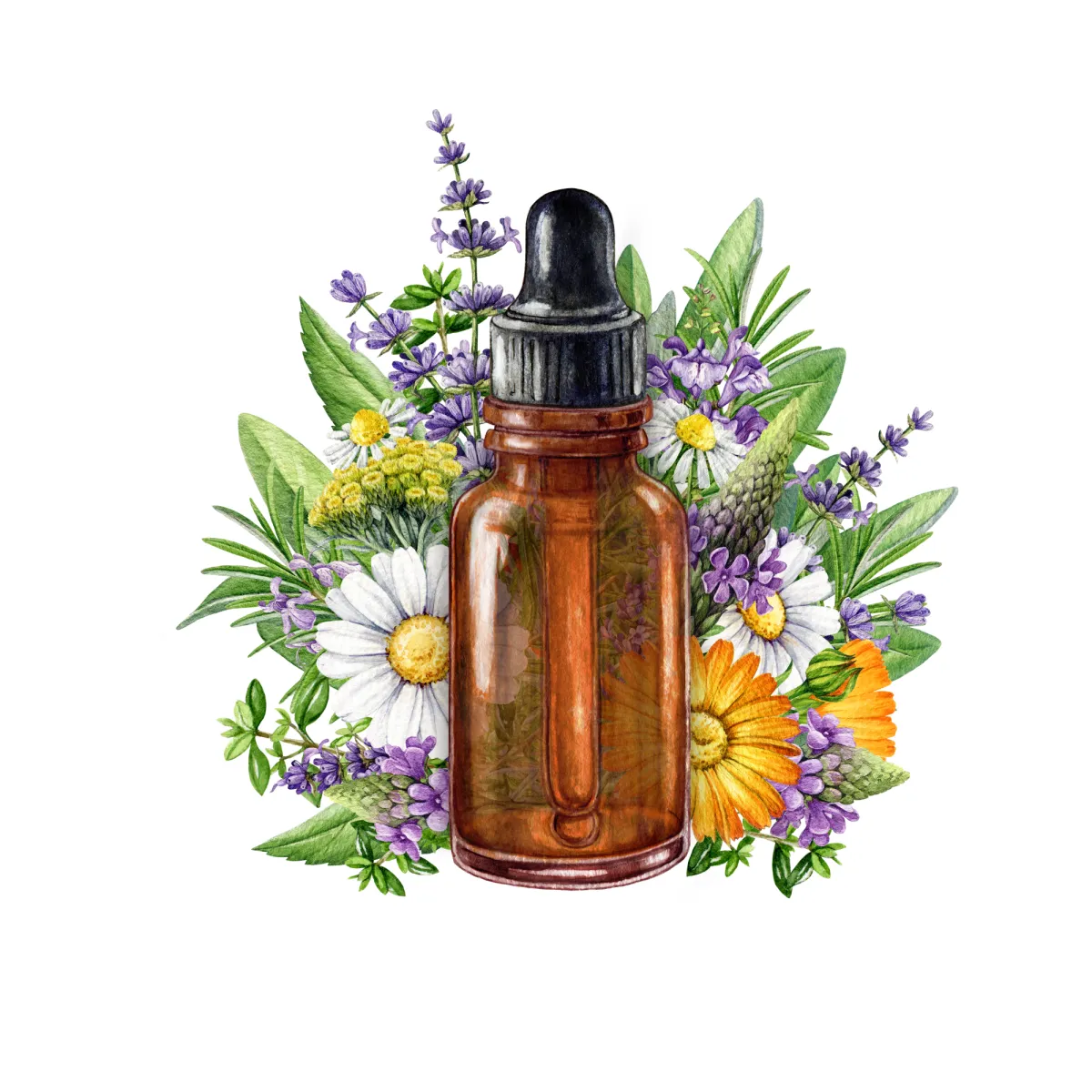
Aromatherapy Foundations
Explore aromatherapy basics, essential oils, and their thoughtful use in therapy.

Therapeutic Applications
Discover ways aromatherapy can complement sessions and create a calming experience.

Client-Centered
Practice
Learn how preferences, consent, boundaries, and individual needs guide its use.
Professional Considerations
Understand safety, ethics, appropriate use, and professional boundaries.
Why This Training
Expand Your Therapeutic Toolkit
This training is designed to help professionals explore aromatherapy as a complementary practice that can be thoughtfully incorporated into therapeutic settings.

Practical Knowledge
Gain practical knowledge to thoughtfully explore aromatherapy in your practice.

Client-Centered Approach
Learn to consider client preferences, comfort, consent, and individual needs.
What To Expect
A Practical Approach to Aromatherapy in Therapy
Explore the key concepts you need to thoughtfully consider aromatherapy within your therapeutic practice.

Understand
Build a foundation in aromatherapy and its complementary role.
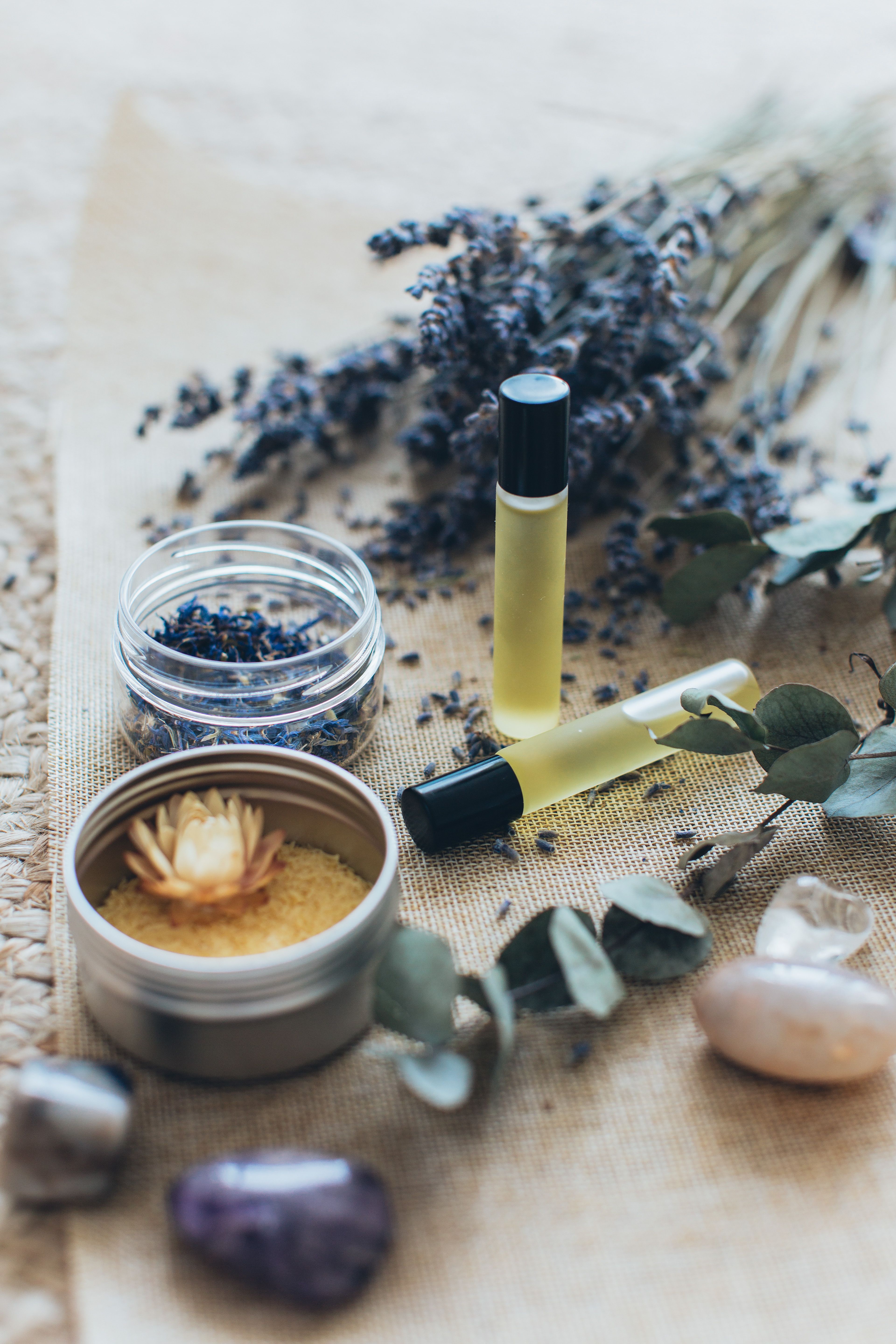
Explore
Explore aromatherapy across therapeutic settings and client experiences.

Apply
Learn practical approaches that support boundaries and client-centered care.

Integrate
Discover ways to apply the training to your existing practice.
Our Team

Frequetly Asked Question
Who is this training designed for?
This training is designed for professionals interested in learning more about the thoughtful integration of aromatherapy into therapeutic settings. Please review the training requirements and eligibility information before registering.
What will I learn in this training?
The training explores aromatherapy fundamentals, potential therapeutic applications, client-centered considerations, safety, professional boundaries, and practical approaches for integrating aromatherapy into therapy sessions.
Can aromatherapy replace traditional therapy or clinical treatment?
No. Aromatherapy should be considered a complementary approach and should not replace appropriate evidence-based clinical care, professional judgment, or treatment plans.